Gubeikou Great Wall
Introduction
The Gubeikou Great Wall is a significant section of the Great Wall of China, located in the northeastern part of Beijing, connecting the Jinshanling and Simatai sections. This section of the Great Wall holds historical and strategic importance due to its geographical positioning and its role in military defense throughout Chinese history.
Historical Background
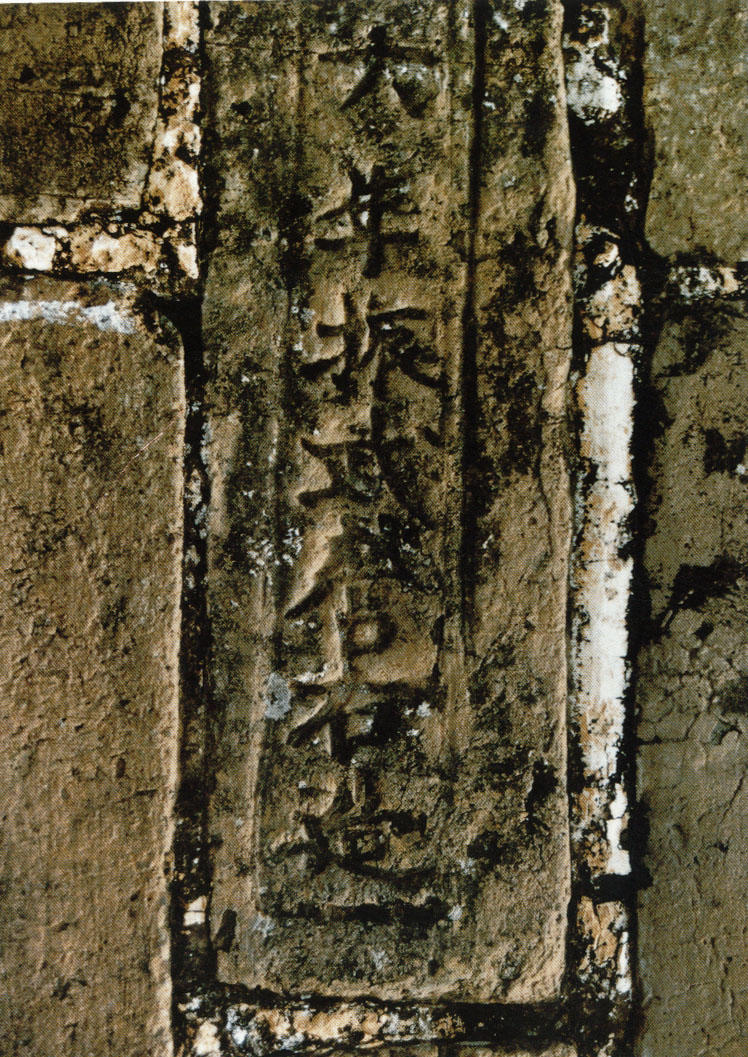
The Gubeikou Great Wall has a rich history that dates back to ancient times. It was originally constructed as part of the Northern Qi Dynasty (550-577 AD) endeavor to fortify northern China against invasions. However, the most significant developments and fortifications were made during the Ming Dynasty (1368-1644). During this period, under the supervision of the famous General Qi Jiguang, the wall was strengthened and extended to enhance its defensive capabilities.
Geographical Significance
Strategically located in the Yanshan Mountain range, the Gubeikou Great Wall serves as a critical pass through the rugged terrain. It connects with the Jinshanling section to the east and the Simatai section to the west, forming a crucial part of the Great Wall's defense line. The wall stretches across the mountainous landscape, offering commanding views of the surrounding areas, which was essential for military surveillance and communication.
Architectural Features
The Gubeikou Great Wall is renowned for its unique architectural features. Unlike other sections of the Great Wall, the Gubeikou section retains many original elements, with limited restoration, allowing visitors to witness its authentic construction. It is characterized by dense watchtowers, each constructed to accommodate strategic and defensive needs. The towers are built at intervals that allow for effective communication and defense, with clear visibility of approaching threats.
Military Importance
Throughout history, the Gubeikou Great Wall has been a critical military stronghold. Its strategic location made it a key point of defense against invasions from northern tribes and nomadic groups. During the Ming Dynasty, it played a vital role in safeguarding the capital, Beijing, and the surrounding regions. The wall's design reflects the military tactics of the time, with features such as crenellations, watchtowers, and beacon towers that facilitated defense and communication.
Cultural Significance
The Gubeikou Great Wall is not only a military fortification but also a cultural heritage site that represents the ingenuity and perseverance of ancient Chinese civilization. It is part of the collective memory and identity of China, symbolizing the country's historical resilience and strategic foresight. The wall attracts historians, researchers, and tourists from around the world, offering insights into China's rich cultural and military history.
Preservation Efforts
Despite its historical significance, the Gubeikou Great Wall faces challenges related to preservation and maintenance. Efforts have been made to protect this invaluable heritage site, balancing conservation with responsible tourism development. The Chinese government, along with international organizations, continues to work toward preserving the Great Wall's integrity while allowing people to experience its historical grandeur.








